The Role of Collaboration in Driving Innovation Forward
In today’s fast-paced business environment, collaboration is a key driver of innovation. Organizations that foster a collaborative culture are better positioned to develop innovative solutions that meet the evolving needs of their customers. By bringing together diverse perspectives and expertise, collaboration not only enhances creativity but also accelerates the problem-solving process, leading to more effective outcomes.
The Importance of User Experience Optimization
User Experience Optimization (UXO) is crucial for ensuring that products and services meet user needs effectively. By collaborating with users during the design process, companies can gather valuable insights that inform product development. This iterative feedback loop allows teams to refine their offerings, ensuring that they are not only functional but also enjoyable to use.
Moreover, optimizing user experience can significantly impact customer satisfaction and loyalty. When users feel that their needs are understood and addressed, they are more likely to engage with the product and recommend it to others. This creates a positive feedback cycle that drives further innovation and improvement.
Innovative Product Design Through Teamwork
Innovative product design thrives on collaboration among cross-functional teams. By integrating diverse skill sets and perspectives, teams can brainstorm and prototype ideas that may not have emerged in isolation. This collaborative approach encourages experimentation and risk-taking, which are essential for breakthrough innovations.
Furthermore, involving stakeholders from various departments, such as marketing, engineering, and customer support, ensures that the final product aligns with market demands and operational capabilities. This holistic view not only enhances the design process but also increases the likelihood of successful product launches.
Agile Project Management for Enhanced Collaboration
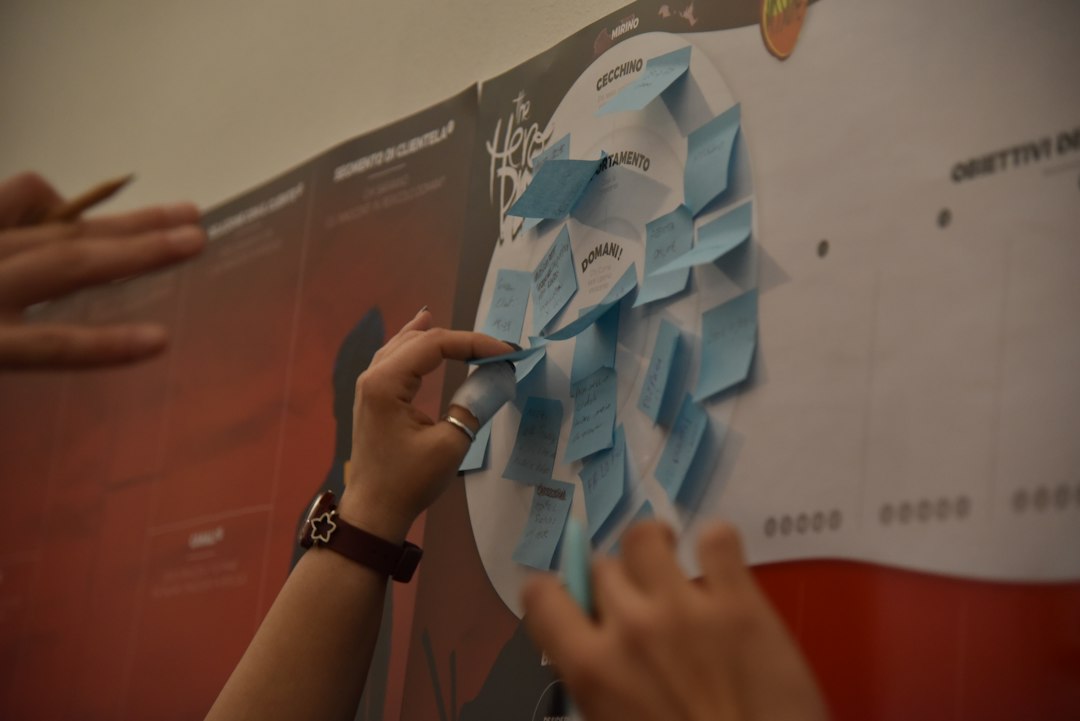
Agile project management methodologies emphasize collaboration and flexibility, making them ideal for innovative projects. By breaking down projects into smaller, manageable tasks, teams can work together more effectively and adapt to changes quickly. Regular check-ins and collaborative planning sessions foster open communication, allowing team members to share ideas and address challenges promptly.
This iterative approach not only improves team dynamics but also enhances the overall quality of the project. As teams collaborate closely, they can identify potential issues early on and pivot as needed, ultimately leading to more successful outcomes.
Prototyping and Testing: A Collaborative Approach
Prototyping and testing are critical stages in the innovation process that benefit greatly from collaboration. By involving users and stakeholders in testing phases, teams can gather real-time feedback that informs further development. This collaborative testing process ensures that the final product is not only functional but also meets user expectations.
Additionally, collaborative prototyping allows teams to explore multiple ideas simultaneously, leading to more creative solutions. By working together to iterate on designs, teams can quickly identify the most promising concepts and refine them for market readiness.
Technology Integration Consulting: Bridging Gaps Through Collaboration
Technology integration consulting plays a vital role in ensuring that innovative solutions are effectively implemented within organizations. Collaborative efforts between consultants and internal teams help identify gaps in technology and processes, enabling a smoother transition to new systems. This partnership fosters a shared understanding of goals and challenges, leading to more effective solutions.
Moreover, by collaborating with technology experts, organizations can leverage the latest tools and methodologies to enhance their innovation efforts. This not only streamlines operations but also positions companies to respond more effectively to market changes and customer demands.
Checklist: Foster a collaborative culture, Involve users in the design process, Implement agile methodologies.